Flying to Mikumi: Light Aircraft, Airstrips and Nerves
What the flight from Zanzibar to Mikumi is like: the small aircraft, the bush airstrip inside the park, the luggage limit, and honest reassurance if a light-aircraft flight makes you nervous.
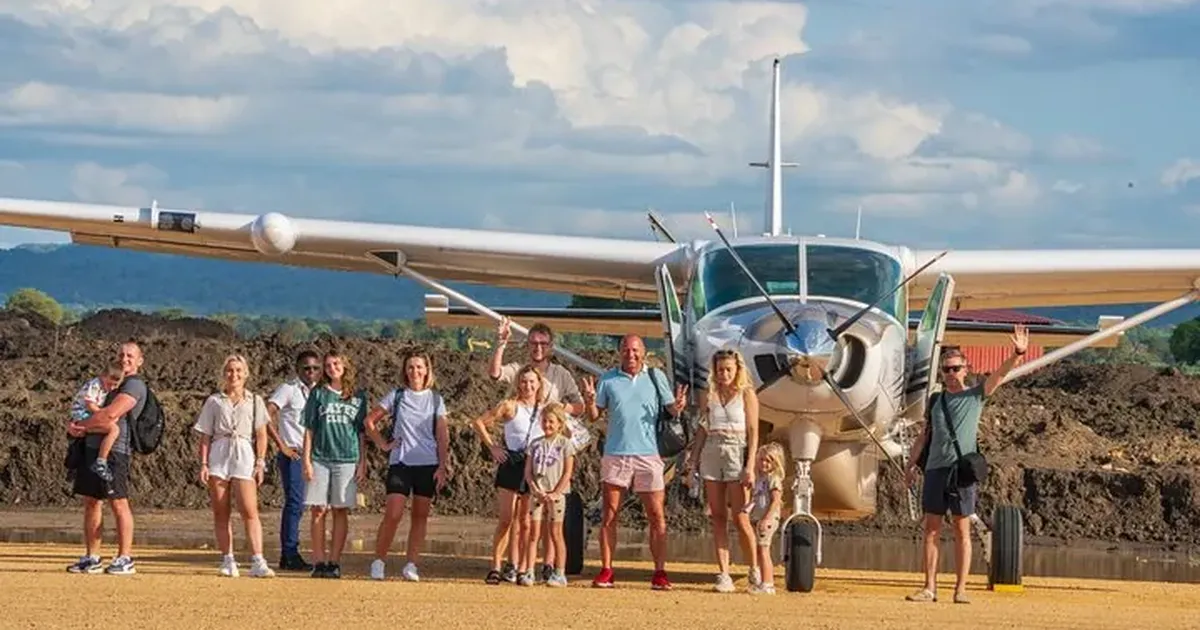
For a lot of people, the flight is the part of a Mikumi day trip they are quietly unsure about. If you have only ever flown on large commercial jets, a small bush aircraft landing on a dirt strip is a different experience. It helps to know what to expect, both so you are prepared and so you can enjoy it, because for many travellers the flight turns out to be one of the highlights of the day.
Here is the honest picture.
Check Availability
The aircraft
The flight to Mikumi is on a light aircraft, typically a single- or twin-engine plane seating around a dozen passengers, though some carriers use larger aircraft and it varies by operator and by day. These are the standard workhorses of East African safari flying, run by regional carriers that fly these routes daily.
It is a small cabin. You board directly from the apron up a short set of steps, the seats are close together, and you can often see the pilots and the instrument panel from your seat. Luggage is not tagged and whisked away as it is on a big airline: it goes into a small hold, and you can usually see it being loaded.
One quirk to prepare for: the cabin gets warm on the ground before departure, because the air conditioning only works properly once the engines are running and the plane is moving. It cools quickly once you are airborne, but some travellers swear by a small handheld fan for those few minutes on the ground.
If the number of engines matters to you, book for it: the twin-engine Mikumi day safari names a two-engine aircraft and the Kikoboga airstrip in its own itinerary, costs $525, and is rated 4.7/5 from more than 130 reviews. Our breakdown of that listing covers what else it includes.
What the flight is like
Short and, for most people, surprisingly enjoyable. The flight itself takes about 45 minutes to an hour on the direct routing.
You fly low enough to see things: the Indian Ocean as you leave Zanzibar, the coastline, then the mainland opening up beneath you. Because you are much closer to the ground than on a jet, the views are part of the experience, so ask for a window seat if you can.
Small aircraft do move around more than large ones. You will feel bumps and shifts you would not notice on a jet, particularly in warm air or near cloud. This is normal and expected, not a sign that anything is wrong: light aircraft are built for this kind of flying, and the pilots fly it many times a week. If you are a nervous flyer, knowing in advance that the movement is routine makes it much easier to take in your stride.
The airstrip at the other end
Kikoboga, the airstrip you land at, sits inside Mikumi National Park. It is a single dirt runway, not an airport: there is no terminal building, no baggage carousel and no arrivals hall. What there is, is your guide and an open-roofed 4x4 waiting beside the runway, ready to start the game drive within minutes of you stepping off the plane.
Basic toilets are usually available at the landing point, but that is about it for facilities, so carry your own tissue and hand sanitiser. The bush airstrip puts you straight into the park, and that is what makes the fly-in trip work as a single day. Listings that land in Dar es Salaam and drive the rest are a different product; our guide to fly-in vs via Dar es Salaam shows how to tell them apart before you pay.
Luggage on a light aircraft
The weight limits are stricter than on a commercial flight, typically around 15 kg per person including hand luggage, and soft-sided bags are strongly preferred over hard cases. For a day trip this is rarely a problem: you bring only a small daypack, and your main luggage stays at your Zanzibar hotel. It is why you cannot bring a wheelie suitcase along. See What to Pack for a One-Day Fly-In Safari.
If you’re a nervous flyer
It is a fair thing to feel, and it deserves a straight answer.
Small-aircraft flying feels different from commercial flying: more movement, more sensation, a closer sense of the machine doing its work. That difference is what unsettles some people, but it is not a sign of greater danger, just a more direct experience of flight. These routes are flown daily by experienced pilots on aircraft designed for exactly this kind of short bush hop, and the flight is short.
A few things that help:
- Take a window seat. Having the view to focus on, something to look at instead of sensations to notice, makes a real difference.
- Expect the bumps. Knowing in advance that light aircraft move around more, and that it is normal, removes most of the alarm when it happens.
- Fly early. The outbound flights leave in the early morning, when the air is cooler and often smoother. If your listing offers a choice of departure, take the earliest: it can mean a calmer flight as well as better wildlife.
Plenty of people who board that first flight nervous come off the return flight having loved it. The low-altitude views over the coast and the bush are something a commercial jet never gives you.
Weather and the flight
One practical point that is less about nerves and more about planning: these flights depend on good weather, and a small aircraft using a dirt airstrip is more weather-sensitive than a big jet. Flights do get delayed or cancelled when conditions are poor, particularly in the wet months. This is about scheduling more than safety, and it is why you should not book this trip within a couple of days of flying home. See Free Cancellation and What Happens if Weather Grounds Your Flight and the best time of year for a Mikumi day safari.
Frequently asked questions
How big is the plane? Typically a light aircraft seating around a dozen passengers, though it varies by operator and by day. You board from the apron and can often see the cockpit.
How long is the flight? About 45 minutes to an hour on the direct routing to the airstrip inside the park.
Is it bumpy? Small aircraft move around more than jets, so you will feel bumps that are entirely normal and expected. They are not a sign of a problem.
What’s the airstrip like? A single dirt runway inside the park, with no terminal. Your guide and vehicle wait beside it, and the game drive starts within minutes of landing.
I’m a nervous flyer. Will I be okay? Most nervous flyers manage this flight fine and often enjoy it. It is short, the views are a good distraction, and knowing the movement is normal helps a lot. Take a window seat and, if you have a choice, the earliest departure, which is usually the smoothest.
Why does the cabin get so hot before takeoff? The air conditioning needs the engines running to work properly, so the cabin warms up on the ground and cools once you are airborne. A small fan helps for those few minutes.
Ready for the flight? Every safari we list carries free cancellation up to 24 hours before departure. Compare them all.
See Tanzania's Big Game — and Sleep on Zanzibar Tonight
Join 2,700+ travellers who have flown Zanzibar–Mikumi and back in a day. Return flights, park entry and landing fees, a shared 4x4 game drive and a bush lunch are all included. Free cancellation up to 24 hours before.
Check Availability & Book