Mikumi vs Nyerere (Selous) for a Day Trip from Zanzibar
Both parks are reachable as a fly-in day trip from Zanzibar, but they are very different days. How to choose between Mikumi and Nyerere on cost, wildlife, the Rufiji boat safari and wilderness feel.
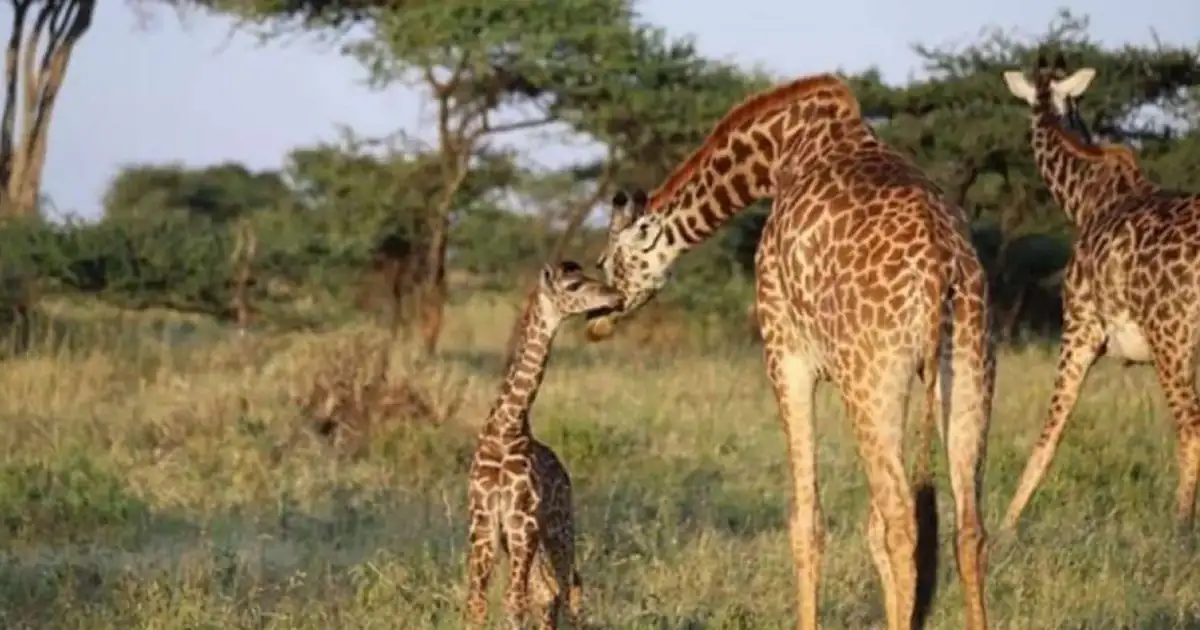
Two parks, both reachable as a genuine fly-in-fly-out day trip from Zanzibar, both routinely compared by travellers trying to decide between them. They are not interchangeable, and the choice comes down to a fairly simple trade: speed and reliability versus wilderness and variety. Here is what actually separates them.
Check Availability
The short version
Mikumi is closer, cheaper and more reliable. It is the shorter flight from Zanzibar, its non-resident entry fee of $30 a day is among the lowest of any major Tanzanian park, and its open floodplain delivers fast, dense sightings of the big plains species — elephant, giraffe, zebra, buffalo, often lion. It is also more developed and more visited, and a busy highway runs straight through the park.
Nyerere, formerly Selous, is wilder, more varied and pricier. It is Tanzania’s largest national park by a wide margin, feels genuinely remote, and offers something Mikumi cannot: a boat safari on the Rufiji River, putting you at water level with hippo and crocodile. It is also one of Africa’s last strongholds for the endangered African wild dog. The trade-offs are a higher park fee, a higher tour price and — because it sits further from Zanzibar — more to lose if a flight is delayed.
Neither park offers a realistic rhino sighting. Both are, in practice, Big Four days rather than Big Five ones.
Getting there
Both parks are reachable by direct flight from Zanzibar. Neither requires a mandatory road routing via Dar es Salaam for the day-trip product, which puts them on equal footing in one important sense — though on the Mikumi side, road-routed products do circulate and are worth ruling out before you pay. Our guide to the fly-in versus the Dar es Salaam routing explains how to spot one.
Mikumi’s flight is the shorter of the two, landing you inside the park itself at an airstrip on the floodplain. Nyerere’s flight lands at an airstrip near the park’s main entrance and takes a broadly similar amount of time, though it varies more by operator and aircraft.
Where the distinction matters is what happens when something goes wrong. Both routes depend on light aircraft and are subject to weather delays, which are a real and recurring feature of this part of the world — Mikumi’s operators single out 1 April to 1 June as the window when weather and airfield conditions are most likely to force a change of time, aircraft or carrier. Because Nyerere sits further away, a delay there eats a larger share of an already tight day. Mikumi’s proximity gives you slightly more room to recover if the schedule slips.
Cost
Mikumi is meaningfully cheaper on every axis that matters.
Tanzania National Parks charges non-resident adults $30 a day to enter Mikumi and children $10 under the current tariff — among the lowest entry fees of any major park in this category, and materially below what Nyerere charges. That difference flows straight through to the tour price: Mikumi day trips typically undercut Nyerere ones by a noticeable margin, and the gap widens if a Nyerere product includes the boat safari as a paid add-on.
Fly-in Mikumi day trips on this site start at $430 per person with park fees, landing fees and lunch already included. If budget is the deciding factor, Mikumi wins outright. Our full cost breakdown works through every line item, including the two costs operators leave out of the headline price.
Wildlife: density versus variety
Mikumi’s strength is speed and reliability. The Mkata floodplain is open, compact and easy to drive — you cover a lot of ground quickly, and the plains species that make up most of a satisfying safari day (elephant, Masai giraffe, zebra, wildebeest, buffalo, impala in their hundreds) are seen with high consistency. Lion sightings happen often enough to be a realistic hope, though never a guarantee. Mikumi also records more than 400 bird species, with northern migrants arriving between December and February.
Nyerere’s strength is variety and authenticity. It is a genuinely vast park — one of the largest in Africa — with a more varied landscape: woodland, river system, swamp and grassland rather than one open plain. It holds a wider range of antelope, healthy hippo and crocodile populations concentrated along the Rufiji, and, most notably, one of the continent’s most important remaining populations of African wild dog, an endangered species that is a genuine draw for anyone who has already ticked off the standard sightings elsewhere.
Neither delivers the full Big Five. Leopard is elusive in both parks on a single day’s driving, and rhino should be treated as effectively absent from both — populations were devastated by poaching, and current status is uncertain enough that no honest operator should be promising a sighting. In Mikumi’s case rhino were poached out in the 1990s and have not been reliably seen since, although Tanzania National Parks has announced plans to reintroduce black rhino. If ticking off all five matters to you, look to the northern circuit instead.
The boat safari: Nyerere’s real differentiator
This is the single clearest reason to choose Nyerere over Mikumi. The Rufiji River runs through the heart of the park, and a boat safari puts you at water level with hippo pods and basking crocodiles in a way no road-based game drive can replicate. It is also excellent for birdlife and, in the dry season, for watching elephant and buffalo come down to drink.
One important catch: the boat safari is not automatically included in every one-day Nyerere product. Some day trips are game-drive only, with the boat reserved for two-day-plus itineraries. If the boat safari is the reason you are choosing Nyerere over Mikumi — and for many people, it is — confirm explicitly with the operator that it is included in the specific product you are booking, rather than assuming it from the park’s general reputation.
We do not sell Nyerere day trips ourselves, so treat this section as a straight comparison rather than a recommendation: if the Rufiji is what you want, book it with an operator who specialises in it.
Wilderness feel and crowding
This is where the two parks diverge most sharply in how they actually feel on the ground.
Mikumi is more developed and more heavily visited, and the Tanzam Highway — the trunk road between Dar es Salaam and Zambia — runs directly through the park. It is audible, and in places visible, from parts of the game-drive circuit, and the roadside signs warn drivers about wild animals for the next fifty kilometres. For some visitors this barely registers. For others, especially those who have done a safari before and know what true wilderness feels like, it is a noticeable dent in the experience, and it is the single most common reason travellers who have done both say they preferred Nyerere. Our guide to what a Mikumi day safari is really like covers the highway and the rest of what nobody mentions in the listings. What the road means for the park itself, and what is being done about it, is covered in Mikumi National Park explained.
Nyerere feels distinctly wilder and less crowded, which is consistent with it simply being a much larger, less-visited park. If atmosphere and a genuine sense of remoteness matter as much to you as the wildlife itself, that tips the balance decisively toward Nyerere.
Who should choose which
Choose Mikumi if you:
- Are budget-conscious and want the best value for a single day
- Have only one spare day and want to minimise the risk of a disrupted schedule
- Want fast, dense, reliable sightings of the big plains species without much waiting
- Are comfortable with a more developed park and do not mind the highway
- Want the option of turning the trip into an overland one later — Mikumi is reachable by ferry and train as a multi-day trip in a way Nyerere is not
Choose Nyerere if you:
- Want a genuinely wilder, less crowded experience
- Specifically want the Rufiji River boat safari — and have confirmed it is included in your chosen product
- Care about African wild dog as much as the standard sightings
- Can absorb a higher price and a somewhat greater weather-related risk
- Have already done a fairly standard game drive elsewhere and want something different this time
If Mikumi is the answer, the most-booked fly-in day safari is the one to start with: $430 including flights, park fees and lunch, and 4.7 out of 5 across more than 3,000 verified reviews — by a wide margin the most-reviewed Mikumi product on the market. Whether a day is enough at all is the prior question, and we answer it honestly in is a Mikumi day safari worth it?
If you have five or more days in Zanzibar and are drawn to Nyerere specifically for its variety and atmosphere, consider a two-day-plus trip instead. It resolves the biggest limitation of any day trip — no time for a proper boat safari at a relaxed pace, and no dawn or dusk game drive — and Nyerere in particular rewards the extra time. The same logic applies to Mikumi: the three-day ferry-and-train safari starts at $570, rates 4.97 out of 5 across 25 reviews, and buys you the dawn and dusk drives a day trip structurally cannot.
Frequently asked questions
Which is better for a first safari? Mikumi, generally — it is more reliable, cheaper, and delivers a strong hit rate on the sightings most first-timers are hoping for. Nyerere rewards travellers who already know roughly what to expect and want something more distinctive.
Can I see the Big Five at either park? No. Both should be treated as Big Four parks for a day trip. Leopard is elusive in both, and rhino are effectively absent from both after historical poaching.
Is the boat safari always included in a Nyerere day trip? Not always. Confirm it specifically with your operator before booking if it is the reason you are choosing Nyerere.
Which is more reliable logistically? Mikumi has a slight edge, simply because it is closer — a weather delay costs you less of the day.
Is Nyerere worth the extra cost? If a wilder atmosphere, greater variety and the boat safari matter to you, most travellers who have done both say yes. If your priority is value and reliability on a single free day, Mikumi is the more sensible choice.
How much cheaper is Mikumi, really? On the park fee, clearly: $30 per non-resident adult per day against a materially higher figure at Nyerere. On the tour price the gap is narrower than the fee difference alone suggests, because on both trips the flights dominate the cost rather than the gate.
Decided on Mikumi? Every safari we list books with free cancellation up to 24 hours before departure — compare them all.
See Tanzania's Big Game — and Sleep on Zanzibar Tonight
Join 3,000+ travellers who have flown Zanzibar–Mikumi and back in a day. Return flights, park entry and landing fees, a shared 4x4 game drive and a bush lunch are all included. Free cancellation up to 24 hours before.
Check Availability & Book